What Is Lived-In Color—and Is It Really Low Maintenance?

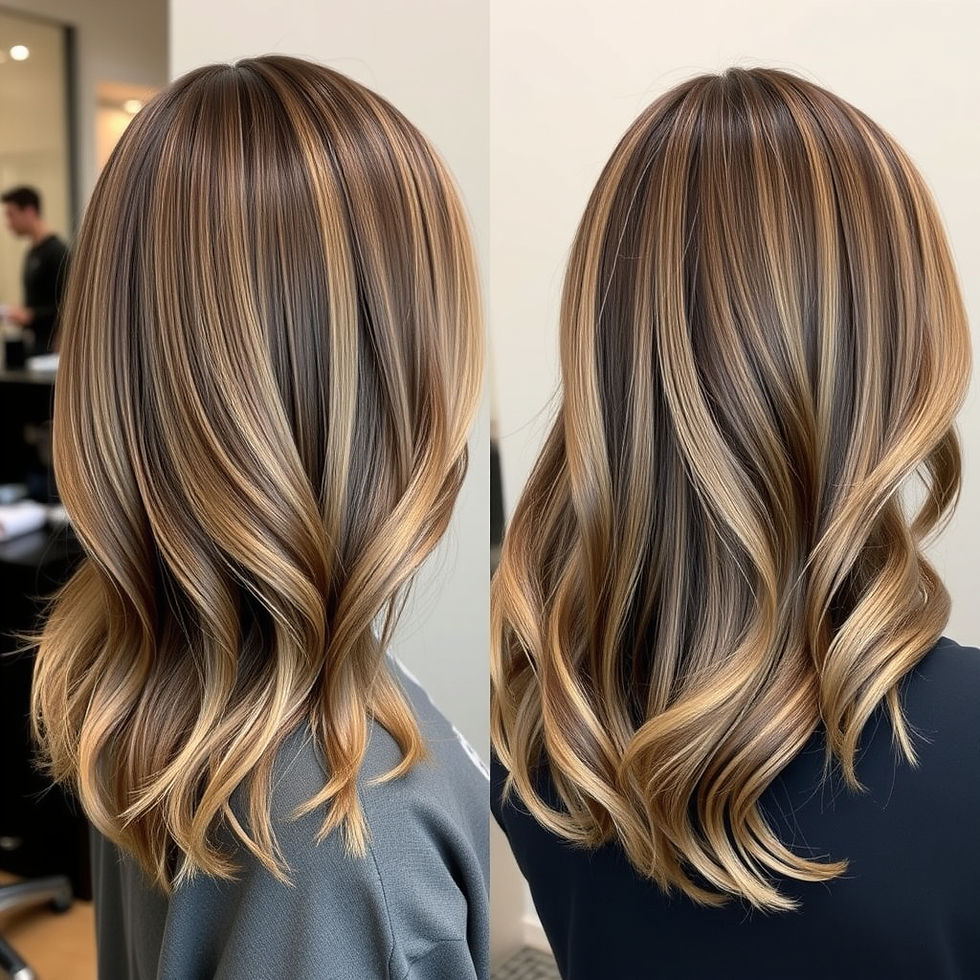
You may have seen the term “lived-in color” used to describe everything from soft balayage to dimensional brunettes to blondes with darker roots.
And usually, it comes with another promise:
Low maintenance.
But what does that actually mean?
Lived-in color isn't simply hair that's been allowed to grow out.
It's color that is intentionally designed so your natural hair and your salon color can continue working together as the hair grows.
That can make maintenance more flexible.
But it doesn't mean the color never needs another appointment.
What Makes Hair Color “Lived-In”?
Traditional color can sometimes create a more obvious distinction between your natural growth and your salon color.
Lived-in color approaches that relationship differently.
Rather than trying to eliminate every trace of your natural hair, the color design may intentionally preserve or incorporate some of it.
That can include:
natural depth at the root
softly transitioned brightness
strategically placed highlights
dimension through the mids and ends
brightness concentrated where it has the most visual impact
tonal choices that work with your natural color
The exact technique can vary.
What matters is how the finished color behaves as your hair grows.
Your Natural Color Isn't the Enemy
One of the biggest shifts with lived-in color is recognizing that your natural color can be an important part of the finished result.
Depth creates contrast.
Contrast allows brighter pieces to look brighter.
Your natural root can create softness between appointments.
And leaving some areas darker can prevent the color from becoming uniformly light.
This is why “more highlights” doesn't always create better dimensional color.
Sometimes the pieces we intentionally don't lighten are what make the entire result work.
If you're trying to decide how much brightness you actually want, Partial Highlights vs. Face-Framing Highlights vs. Dimensional Color explains how those different levels of change affect the result.
So, Is Lived-In Color Really Low Maintenance?
It can be.
But we need to define low maintenance correctly.
Low-maintenance color doesn't necessarily mean:
one appointment and then nothing for a year.
It means the color has been designed to change more gracefully, giving you more flexibility around when you decide it needs attention.
You may be able to allow more natural growth before the color feels disconnected.
You may alternate smaller refreshes with larger color appointments.
You may decide the tone needs attention while the placement still works beautifully.
Or you may genuinely love the way your color looks as more natural depth grows in.
Our resource What Does “Low-Maintenance Hair Color” Actually Mean? goes deeper into the relationship between maintenance, grow-out, salon time, cost, and the result you choose.
Low Maintenance Is Relative to Your Starting Point
The exact same color won't feel equally low maintenance on everyone.
Imagine two people want a dimensional blonde.
One naturally has medium blonde hair.
The other naturally has very dark brunette hair.
Even if both leave the salon with beautiful dimensional color, their natural growth will interact with that result differently.
Your maintenance can also be affected by:
your natural depth
how light you want to be
how much contrast you like
whether you have gray
your previous color
your desired tone
how quickly visible change begins bothering you
That's why “lived-in” isn't a universal formula.
It has to be designed around the person wearing it.
The Bigger the Difference, the More We Have to Plan
There's another part of low-maintenance color that's easy to overlook.
You may love a photograph because the finished result looks effortless.
But getting to that result may not be effortless if it's significantly different from your starting point.
For example, creating a soft dimensional blonde on previously uncolored medium hair is a very different project from creating it on hair containing years of dark permanent color.
The finished result might eventually be relatively flexible to maintain.
The transformation required to create it may still be substantial.
If you're considering a major change, Why Your Hair Color History Changes What Is Possible Today explains why what's already happened to your hair affects the route forward.
And Can I Get This Hair Color in One Appointment? explains why some transformations need to happen in stages.
Lived-In Doesn't Mean You Have to Like Visible Roots
This is important because “low maintenance” can sometimes sound like you're simply expected to tolerate your hair looking grown out.
That's not the goal.
Good lived-in color is designed so the growth feels intentional rather than neglected.
But your personal tolerance still matters.
Some people love seeing several inches of their natural root.
Others want their brightness brought back toward the face or scalp sooner.
Neither preference is wrong.
The question is:
How do you want your color to look between appointments?
That answer should influence how the color is designed from the beginning.
Your Maintenance Appointments May Not All Be the Same
One of the biggest advantages of dimensional, lived-in color is that maintenance doesn't necessarily mean repeating the original appointment every time.
Imagine your overall color still looks great, but the blonde has become warmer than you prefer.
You may need a tonal refresh rather than more lightening.
Or maybe the overall dimension still works, but you've lost brightness around your face.
A smaller targeted appointment may make sense.
Eventually, enough of the color may grow or shift that a larger appointment becomes useful again.
That's why Do I Need a Gloss, More Highlights, or a Bigger Color Appointment? is such an important companion to lived-in color.
Maintenance can respond to what changed, rather than automatically recreating everything.
How Often Does Lived-In Color Need Maintenance?
There isn't one schedule.
And that's partly the point.
Some clients will want smaller appointments relatively regularly because they enjoy keeping their tone or face-framing brightness fresh.
Others may comfortably allow their color to evolve for much longer.
The right rhythm depends on the result and the person wearing it.
In How Often Will I Actually Need to Color My Hair?, we explain why maintenance makes more sense when it's based on your actual hair rather than a universal number of weeks.
Lived-In Color Still Changes
Even beautifully designed low-maintenance color doesn't freeze your hair in time.
Your natural hair continues growing.
Tone can soften.
Brightness moves farther from the scalp.
Hair condition can change.
The balance between light and dark gradually shifts.
But not every one of those changes means the entire color needs to be recreated.
Our Hair Lifecycle Guide can help you recognize whether one part of your result has shifted or whether the overall result has reached the point where you'd like to rework it.
That's what makes lived-in color especially compatible with the way we approach maintenance at The Velvet Salon:
We don't automatically repeat the last appointment. We look at the hair you have now.
Is Lived-In Color Right for You?
It may be a good fit if you:
like dimensional rather than uniformly colored hair
want your natural color incorporated into the result
prefer softer-looking growth
don't want to feel locked into a rigid appointment schedule
like brightness but also appreciate natural depth
want the option of using smaller maintenance appointments between larger ones
It may be less aligned with your preferences if you want a very consistent color from root to end or if visible natural growth bothers you quickly.
That's useful information too.
The goal isn't to make every client low maintenance.
It's to design color around the amount and type of maintenance you actually want.
Tell Us How You Want to Live With Your Color
When you bring inspiration photos to your appointment, don't only tell us what you like about the finished color.
Tell us what you want life between appointments to look like.
You might say:
“I want to be blonde, but I don't want a strong grow-out line.”
“I like seeing my natural root.”
“I want brightness around my face, but I'm comfortable letting the rest grow.”
“I'd rather have a larger appointment occasionally than frequent full-color appointments.”
“I don't mind coming in for smaller refreshes.”
Those preferences help us design the color—not just maintain it afterward.
Ready for a More Lived-In Approach?
If you're looking for color that incorporates your natural hair, grows more softly, and gives you more flexibility between larger appointments, lived-in color may be a good direction to
explore.
You don't need to know which highlighting or coloring technique creates it.
Tell us what you want your hair to look like—and how you want it to behave as it grows.
We'll use that information to determine the right starting point.
If you know the result you want but aren't sure which Velvet service fits it, start with I Know


Comments